



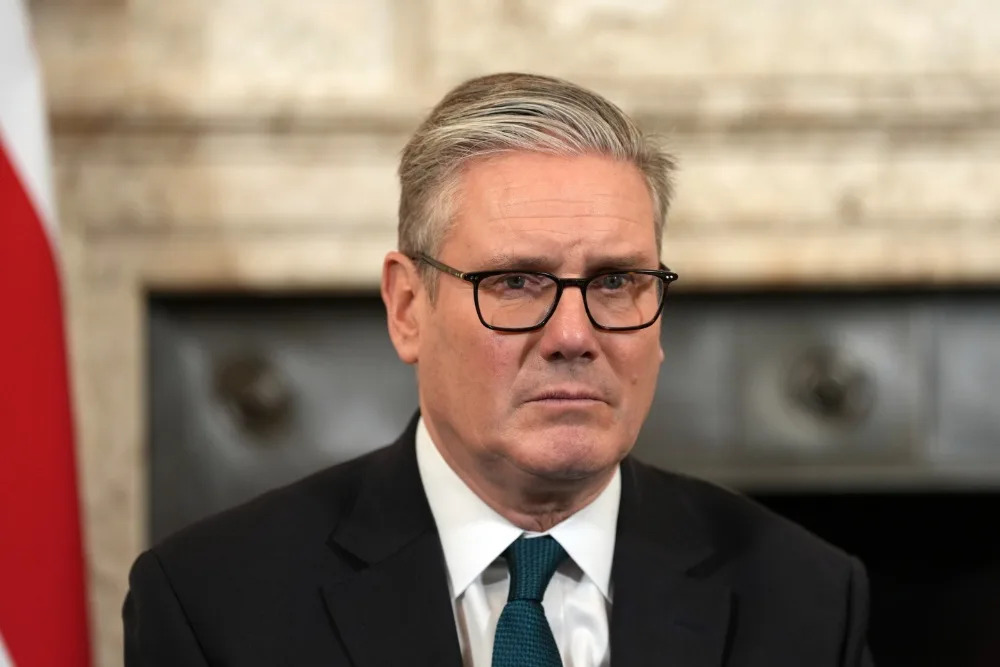
British Prime Minister Keir Starmer has resigned as leader of the United Kingdom’s governing Labour Party, clearing a path for the country’s seventh prime minister in a decade.
Starmer says he will remain as caretaker prime minister until his party selects a new leader. Nominations begin July 9.
The popular former mayor of Greater Manchester, England — Andy Burnham — confirmed on social media that he’ll seek to succeed Starmer. Another contender, former U.K. Health Secretary Wes Streeting, posted a letter saying he will back Burnham’s bid. So Burnham could run for the Labour Party leadership — and ultimately prime minister — uncontested, and enter office in late July.
The center-left Labour Party was elected two years ago with a landslide majority in the U.K. Parliament. Since then, Starmer’s personal approval ratings have slumped to a historic low. Polls show voters believe he failed to deliver palpable change after austerity and budget cuts under 14 years of previous Conservative Party rule. He was also criticized for appointing Peter Mandelson, a close friend of the late sex offender Jeffrey Epstein, as British ambassador to Washington.
The next parliamentary elections aren’t expected for another three years. But in recent weeks, as a populist new anti-immigration party has climbed in the polls, fellow Labour lawmakers began calling for Starmer’s ouster.
“The question my party is asking now, is whether I am best placed to lead us into the next general election,” Starmer said in a tearful speech Monday outside 10 Downing Street. “I have heard the answer of my parliamentary party to that question, and I accept the answer with good grace.”
Starmer defended his record, citing increased government spending on defense and healthcare, and a decrease in undocumented migration into the U.K. He said he would give his successor “full and unequivocal support, knowing they will inherit a Britain that is far stronger and fairer than the one I inherited.”
