



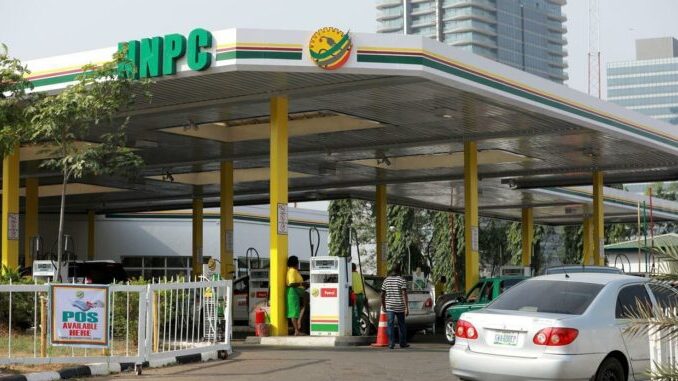
The Nigerian National Petroleum Company Limited (NNPCL) has increased the pump price of Premium Motor Spirit (PMS), popularly known as petrol, to N1,270 per litre at its retail outlets in Abuja and neighbouring areas.
A market survey conducted on Tuesday showed that the state-owned oil company raised the price from N1,155 per litre, representing an increase of N115 per litre.
The latest adjustment comes amid renewed volatility in Nigeria’s downstream petroleum sector, where depot prices have continued to fluctuate and marketers have repeatedly reviewed their pump prices.
The increase is expected to place additional financial pressure on motorists, transport operators and businesses that rely heavily on fuel for daily operations.
NNPCL implements new pump price
Checks at several NNPCL filling stations in Abuja confirmed that motorists were purchasing petrol at the new price of N1,270 per litre.
The adjustment follows a series of price changes recorded across the downstream sector in recent weeks as marketers respond to changing supply costs and market conditions.
NNPCL’s latest review is one of the most significant adjustments in recent days and is expected to influence pricing decisions by other fuel retailers across the country.
Many motorists expressed surprise at the increase, with some saying they were forced to reduce the quantity of fuel they purchased because of the higher cost.
The latest pump price also reflects the continuing impact of market-driven pricing under Nigeria’s deregulated petroleum sector, where retailers regularly adjust prices in response to supply costs.
Filling stations adjust amid uncertainty
The latest increase comes after reports that some NNPCL and MRS filling stations in Abuja temporarily suspended fuel sales on Monday.
While some outlets remained closed during the uncertainty surrounding supply and pricing, others resumed operations after adjusting their pump prices.
Independent marketers also reviewed their prices upward in response to rising depot costs, resulting in varying pump prices across different parts of the Federal Capital Territory.
The temporary closures often occur when marketers anticipate price adjustments or await fresh product supplies.
Industry operators say such developments have become more common as marketers seek to avoid selling products below replacement costs during periods of rapid price changes.
Depot prices record multiple increases
The increase by NNPCL follows a period of rapid price movements in the downstream market.
In less than one week, depot owners and petroleum marketers reportedly increased the ex-depot price of petrol twice, forcing retailers to review their selling prices.
Frequent changes in depot prices have continued to affect the retail market, with filling stations adjusting prices based on the cost of acquiring fresh supplies.
The development highlights the continued impact of deregulation, where market forces largely determine fuel prices.
Market analysts believe further adjustments cannot be ruled out if international crude oil prices, exchange rates and supply costs continue to fluctuate.
Dangote refinery’s dollar sales
The latest development also comes after Dangote Refinery resumed the sale of refined petroleum products in United States dollars last week.
The refinery’s decision has generated discussions among marketers and industry analysts over its possible effect on fuel pricing and supply within the domestic market.
The pricing arrangements between refiners, depot owners and marketers remain key factors influencing the eventual pump price paid by consumers.
As one of the country’s major refining facilities, the refinery continues to play an important role in Nigeria’s fuel supply chain.
Stakeholders have urged greater stability in the downstream sector, noting that predictable pricing would help businesses and consumers better plan their expenses.
Consumers brace for higher costs
The latest increase is expected to have wider economic implications beyond the petroleum sector.
Higher petrol prices typically lead to increased transportation costs, higher production expenses for businesses and rising prices of goods and services.
Commercial transport operators are expected to review transport fares in response to the increase, while many businesses may also adjust operating costs to reflect the higher price of fuel.
Economic experts have warned that sustained increases in petrol prices could further fuel inflation and increase the cost of living across the country. Many households are already struggling with rising food prices, electricity costs and transportation expenses, making the latest adjustment another burden for consumers.
With marketers continuing to monitor supply conditions and pricing trends, Nigerians will be watching closely to see whether the latest increase marks a temporary adjustment or the beginning of another round of fuel price hikes
