



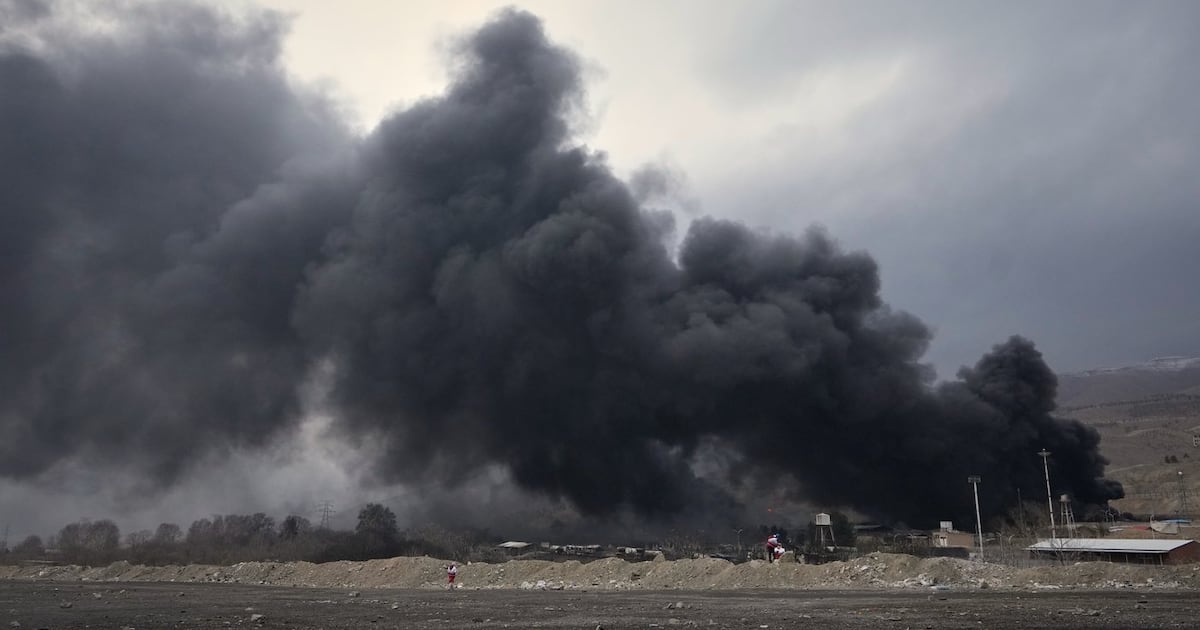
The war in the Middle East is creating the biggest oil supply disruption in the history of the global market, the International Energy Agency said on Thursday, a day after the agency agreed to release a record volume of oil from strategic stockpiles.
Middle East Gulf countries have cut total oil production by at least 10 million bpd – a volume equal to almost 10% of world demand – as a result of the conflict, the agency said in its latest monthly oil market report. Without a rapid restart of shipping flows, these losses are set to increase, IEA said.
Oil prices rose sharply on Thursday as Iran stepped up attacks on oil and transport facilities across the Middle East, fuelling concerns of a prolonged conflict and potential disruptions to oil flows through the Strait of Hormuz.
Brent futures climbed $5.95, or 6.47%, to $97.93 a barrel at 0915 GMT, having hit $100 per barrel in earlier trading, while U.S. West Texas Intermediate crude was up $5.25, or 6%, to $92.50.
Brent hit $119.50 a barrel on Monday, its highest since mid-2022, then dropped after U.S. President Donald Trump said the Iran war could be over soon.
The war in the Middle East is causing the biggest oil-supply disruption in the history of global markets, the International Energy Agency said on Thursday, a day after approving the release of a record volume of 400 million barrels of oil from strategic stockpiles.
Middle East Gulf countries have cut total oil production by at least 10 million barrels per day – a volume equalling almost 10% of world demand – as a result of the conflict, the agency said in its latest monthly oil market report.
The market pricing is taking the IEA release with a pinch of salt, as its timeline is not established, PVM analyst John Evans said, adding that it is presumed to span 90 days, equating to approximately 4.5 million barrels per day.
Goldman Sachs forecasts Brent crude to average $98 per barrel in March and April before declining to $71 by the fourth quarter, but warns that in an upside-risk scenario, where flows through the strait are disrupted for a month, the March and April average could surge to $110.
“The only way to see oil prices trade lower on a sustained basis is by getting oil flowing through the Strait of Hormuz,” ING analysts said. “Failing to do so means that the market highs are still ahead of us.”
Explosives-laden Iranian boats appear to have attacked two fuel tankers in Iraqi waters, setting them ablaze and killing one crew member on Wednesday after projectiles struck four vessels in Gulf waters, port, maritime security and risk firms said.
Lebanon’s Hezbollah launched its biggest rocket salvo of the current war on Wednesday night, prompting Israeli strikes that shook Beirut. Hezbollah’s attack also raised fears about Yemen’s Houthis joining the war alongside Iran, to further disrupt shipping in the Middle East.
Also on the supply side, China has ordered an immediate ban on refined fuel exports in March, a further step to preempt a potential domestic fuel shortage caused by the U.S.-Israeli war on Iran, sources said on Thursday
