



National Security Adviser Nuhu Ribadu has announced that oil production will soon resume in Ogoniland, more than 30 years after drilling activities were halted in the region. Ribadu made the disclosure on Thursday during a presentation at the All Progressives Congress (APC) national summit held in Abuja.
He noted that this development comes as part of the broader achievements under President Bola Tinubu’s administration, adding that Nigeria’s oil production had climbed to an average of 1.8 million barrels per day in 2025.
Ribadu highlighted significant progress in tackling oil theft and vandalism, reporting a 47 percent drop in infractions. He said security forces have dismantled 1,978 illegal refineries and destroyed 3,849 dugout pits and 3,773 illegal cooking ovens as part of ongoing operations.
He credited “Operation Delta Safe,” a joint initiative involving all branches of Nigeria’s security services, with playing a pivotal role in enhancing security in oil-producing regions.
Plans to resume oil production in Ogoniland were first disclosed by President Tinubu earlier in his term. In March, the Ogoni dialogue committee completed its consultations on the resumption of oil extraction and indicated it would soon present its findings to the federal government.
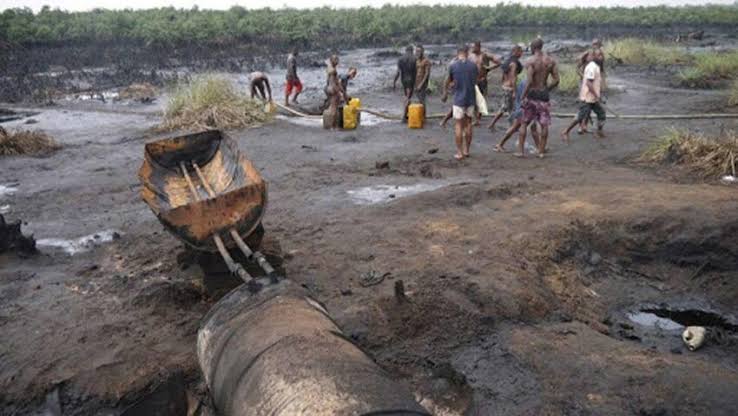
Oil operations in Ogoniland were suspended in 1993 following decades of environmental degradation, health hazards, and sustained community resistance. Between 1976 and 1991, more than two million barrels of oil were spilled in the area in nearly 3,000 separate incidents. Despite a halt in drilling, a 2017 United Nations Environment Programme (UNEP) report revealed that Ogoni communities continued to face daily exposure to harmful hydrocarbons.
In 2019, the Shell Petroleum Development Company confirmed a new oil spill in Ebubu, Eleme Local Government Area of Ogoniland, underscoring the region’s ongoing environmental vulnerability.
The impending resumption of oil production raises hopes for economic revitalisation but also renews concerns about environmental safety and community engagement in the oil-rich but historically marginalised region.
