


Close Menu
Vardiafrica
  • Home
  • Politics
    • Africa
    • Asia
    • Europe
    • US & Canada
    • World
  • Lifestyle
    • Entertainment
    • Film & Drama
    • Ent & Arts
  • Science
    • Health Science
    • Luxury
  • Finance

Subscribe to Updates

Get the latest creative news from FooBar about art, design and business.

What's Hot

DG WTO Okonjo-Iweala urges Niger Delta states to establish special economic zones

September 18, 2026

Finance Ministry, CBN Sign MoU to Strengthen Fiscal and Monetary Policy Coordination

September 18, 2026

NDDC Will Sustain Investment in Education for Niger Deltans – Ogbuku

September 18, 2026
Facebook X (Twitter) Instagram
Trending
  • DG WTO Okonjo-Iweala urges Niger Delta states to establish special economic zones
  • Finance Ministry, CBN Sign MoU to Strengthen Fiscal and Monetary Policy Coordination
  • NDDC Will Sustain Investment in Education for Niger Deltans – Ogbuku
  • President Macron hosts Tinubu as Nigeria, France renew commitment to stronger ties
  • FG Suspends Niger NSCDC Commandant Over 37 Miners Deaths
  • FG Sets Six-Week Review Of 2025 Tax Laws Ahead Of 2027 Finance Bill
  • NAFDAC destroys N59m expired donated medicines in Rivers
  • Illegal Mining: NSCDC Confirms Deaths Of Suspects In Custody, commence probe
Facebook X (Twitter) Instagram
VardiafricaVardiafrica
Demo
  • Home
  • Politics
    • Africa
    • Asia
    • Europe
    • US & Canada
    • World
  • Lifestyle
    • Entertainment
    • Film & Drama
    • Ent & Arts
  • Science
    • Health Science
    • Luxury
  • Finance
Vardiafrica
Home»Government»FG removes import duties on electric vehicles, transit buses
Government

FG removes import duties on electric vehicles, transit buses

VardiafricaBy VardiafricaApril 14, 2026Updated:April 14, 2026No Comments4 Views
Facebook Twitter Pinterest LinkedIn WhatsApp Reddit Tumblr Email
Share
Facebook Twitter LinkedIn Pinterest Email

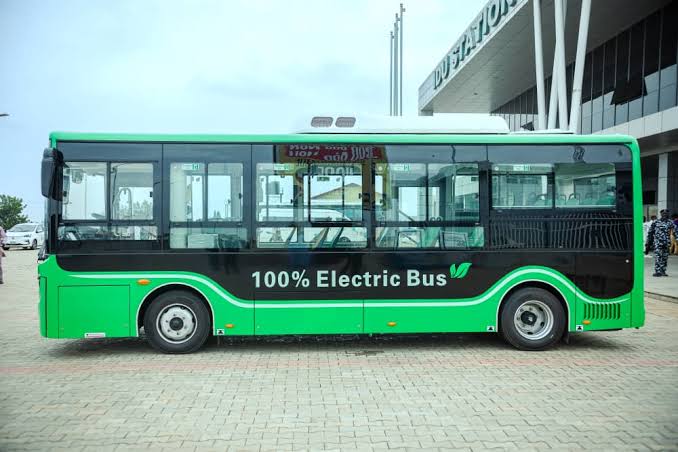
The Federal Government has granted a waiver on import duties for mass transit buses, electric vehicles, and manufacturing machinery.

The development followed President Bola Ahmed Tinubu’s directive to key economic officials to design measures to cushion the impact of the ongoing Middle East crisis on Nigerians, particularly amid rising fuel prices.

A disclosure contained in an X post on Monday by Dada Olusegun, Special Assistant to the President on Social Media, noted that the move is part of new fiscal measures aimed at easing economic pressure on Nigerians and curbing inflationary pressures.

Olusegun said the Tinubu administration approved a broad set of import duty reductions to lower inflation, support businesses, and improve affordability for consumers.

“President Tinubu’s administration has approved a massive reduction in import duties of selected products in order to further reduce inflation, empower local businesses and increase affordability for consumers,” he said.

The Israel–US–Iran conflict, ongoing since February 28, 2026, has severely disrupted global oil flows, particularly around the Strait of Hormuz, which handles about 20% of global crude supply.

Under the new policy, import duties on electric vehicles were reduced from 5% to 0%. Mass transit buses were also granted full duty exemption, down from 5% to 0%, to encourage cheaper public transportation and support cleaner mobility alternatives.

The levy on manufacturing machinery was equally scrapped, falling from 5% to 0%, in a move aimed at lowering production costs and boosting industrial activity.

Raw cane sugar was adjusted from 70% to between 55% and 57.5%, while crude palm oil duties were reduced from 35% to 28.75%.

The policy also introduced broader tariff adjustments across key import segments – passenger vehicle duties were reduced from 70% to 40%, while tariffs on bulk rice were cut from 70% to 47.5% and broken rice from 70% to 30%.

In the industrial and construction sector, steel sheets and coils were lowered from 45% to 35%, while glazed ceramic tiles were reduced from 55% to 46.25%, in a move aimed at easing production and construction costs.

A 90-day transition phase beginning April 1, described as a “Transition Phase”, to allow markets to adjust gradually and avoid sudden shocks, has also been introduced.

The Mideast crisis has driven volatility in energy prices and raised shipping and insurance costs across multiple global economies, including Nigeria.

Since the start of the conflict, crude oil prices surged as high as $120 per barrel due to attacks on energy infrastructure and restricted shipping routes.

Nigerian crude and major contracts were pushed below $95 per barrel after a ceasefire announcement on April 8.

Brent crude and WTI fell by more than 15%.

On Sunday, April 12, however, U.S. President Donald Trump ordered the United States Navy to begin a blockade of all ships entering or leaving the Strait of Hormuz, following the collapse of peace talks between the United States and Iran in Islamabad.

The renewed escalation triggered a surge in oil prices, with Brent crude rising above $102 per barrel and WTI climbing to $104.16 per barrel on April 13.

Share. Facebook Twitter Pinterest LinkedIn Tumblr Telegram Email
Vardiafrica
  • Website
  • Facebook
  • X (Twitter)
  • Instagram

Related Posts

Finance Ministry, CBN Sign MoU to Strengthen Fiscal and Monetary Policy Coordination

September 18, 2026

President Macron hosts Tinubu as Nigeria, France renew commitment to stronger ties

September 18, 2026

FG Suspends Niger NSCDC Commandant Over 37 Miners Deaths

September 18, 2026

Leave A Reply Cancel Reply

Top Posts

Nigeria Takes Over G-24 Leadership, Pledges Push For Global Economic Reforms

October 15, 2025576

FG exempts SMEs, farmers, manufacturers from paying withholding tax

July 2, 202498

You rejected party structure’ – PDP knocks Fubara, says Rivers Gov, Bala Mohammed may face disciplinary action

October 15, 202454

Trump set for White House return, vows to sign 100 Executive Orders in ‘Hours’ 

January 20, 202552
Don't Miss
Economy
Economy By VardiafricaSeptember 18, 20263 Mins Read1

DG WTO Okonjo-Iweala urges Niger Delta states to establish special economic zones

By VardiafricaSeptember 18, 20261 Economy Updated:September 18, 202603 Mins Read

The Director-General of the World Trade Organisation (WTO), Ngozi Okonjo-Iweala, has urged Niger Delta states…

Finance Ministry, CBN Sign MoU to Strengthen Fiscal and Monetary Policy Coordination

September 18, 2026

NDDC Will Sustain Investment in Education for Niger Deltans – Ogbuku

September 18, 2026

President Macron hosts Tinubu as Nigeria, France renew commitment to stronger ties

September 18, 2026
Stay In Touch
  • Facebook
  • Twitter
  • Pinterest
  • Instagram
  • YouTube
  • Vimeo

Subscribe to Updates

Get the latest creative news from SmartMag about art & design.

About Us
About Us

Your source for the verified news.

Email Us: [email protected]
Contact: +234 905 338 5856

Facebook X (Twitter) Instagram YouTube WhatsApp
Our Picks

DG WTO Okonjo-Iweala urges Niger Delta states to establish special economic zones

September 18, 2026

Finance Ministry, CBN Sign MoU to Strengthen Fiscal and Monetary Policy Coordination

September 18, 2026

NDDC Will Sustain Investment in Education for Niger Deltans – Ogbuku

September 18, 2026
Most Popular

Nigeria Takes Over G-24 Leadership, Pledges Push For Global Economic Reforms

October 15, 2025576

FG exempts SMEs, farmers, manufacturers from paying withholding tax

July 2, 202498

You rejected party structure’ – PDP knocks Fubara, says Rivers Gov, Bala Mohammed may face disciplinary action

October 15, 202454

Type above and press Enter to search. Press Esc to cancel.