


Managing Director and Chief Executive Officer of the Association of Nigerian Electricity Distributors (ANED), Sunday Oduntan, tendered the apology on Monday during an appearance on Channels Television’s Sunrise Daily.
“I’d like to first of all start by apologising to Nigerians. Apology is needed; it is essential because Nigerians have been taken through this problem over the past few weeks,” he said.
Oduntan also criticised what he described as a return to the blame game among operators in the electricity sector, recalling that similar disagreements between stakeholders had characterised the industry between 2016 and 2019.
“Part of what happened at that time is that people will blame the DisCos, DisCos will blame TCN, TCN will blame GenCos, GenCos will blame the gas suppliers, and gas suppliers will blame payment issues. We have returned to that, and I think there is a need to arrest that,” he said.
Oduntan Questions Conflicting Explanations
The ANED spokesperson also expressed concern over statements issued by the Nigerian Independent System Operator (NISO) and the Nigerian National Petroleum Company Limited (NNPC) regarding the factors responsible for the electricity shortages.
He said NISO had attributed the supply challenges partly to low water levels and inadequate gas supply, while the NNPC subsequently issued a statement indicating that gas was available.
Oduntan, however, questioned the information provided by the national oil company, insisting that it should clarify whether outstanding payments were affecting gas supply to power generation companies.
“From the NNPC statement, it is very clear that they came to tell us half-truths. What I would have expected NNPC to do is to go ahead and talk to us whether there are payment issues. We need to know whether gas was paid for and delivered, who did, who didn’t,” he said.
The ANED CEO urged the Minister of Power to intervene by bringing the relevant stakeholders together to establish the actual causes of the shortages.
“This back and forth blame game between gas suppliers, NNPC and, of course, TCN or NISO, I think the Minister of Power needs to take charge. There is a need for this leadership because, at the end of the day, they need to call them together,” he said.
Prolonged Blackouts
The apology comes amid growing frustration over inadequate electricity supply, with households and businesses struggling to cope with prolonged outages in recent weeks.
The shortages have raised questions about the effectiveness of the Band A, B and C electricity tariff classification, which links the amount customers pay to the level of electricity supply they are expected to receive.
Customers, including those on Band A, who are entitled to a minimum of 20 hours of electricity daily, have continued to complain about inadequate supply.
The situation has been compounded by intense dry-season heat and the El Niño climate change, leaving many residents struggling to cope without electricity to operate fans and air conditioners.
Residents have protested the outages, heat and the impact. The crisis has also attracted criticism from public figures.

Veteran actress Kate Henshaw questioned why Nigerians continued to struggle with reliable electricity, lamenting that households had effectively become “mini-factories” because they had to generate their own power.
Content creator Cute Abiola also appealed to President Bola Tinubu in a video, expressing frustration over the unbearable heat and the difficulties Nigerians face in accessing alternative electricity sources.
Meanwhile, the rising cost of petrol and diesel has made running generators increasingly expensive, while installing solar panels, batteries and inverters remains unaffordable for many households and small businesses.
Tinubu’s Electricity Promise
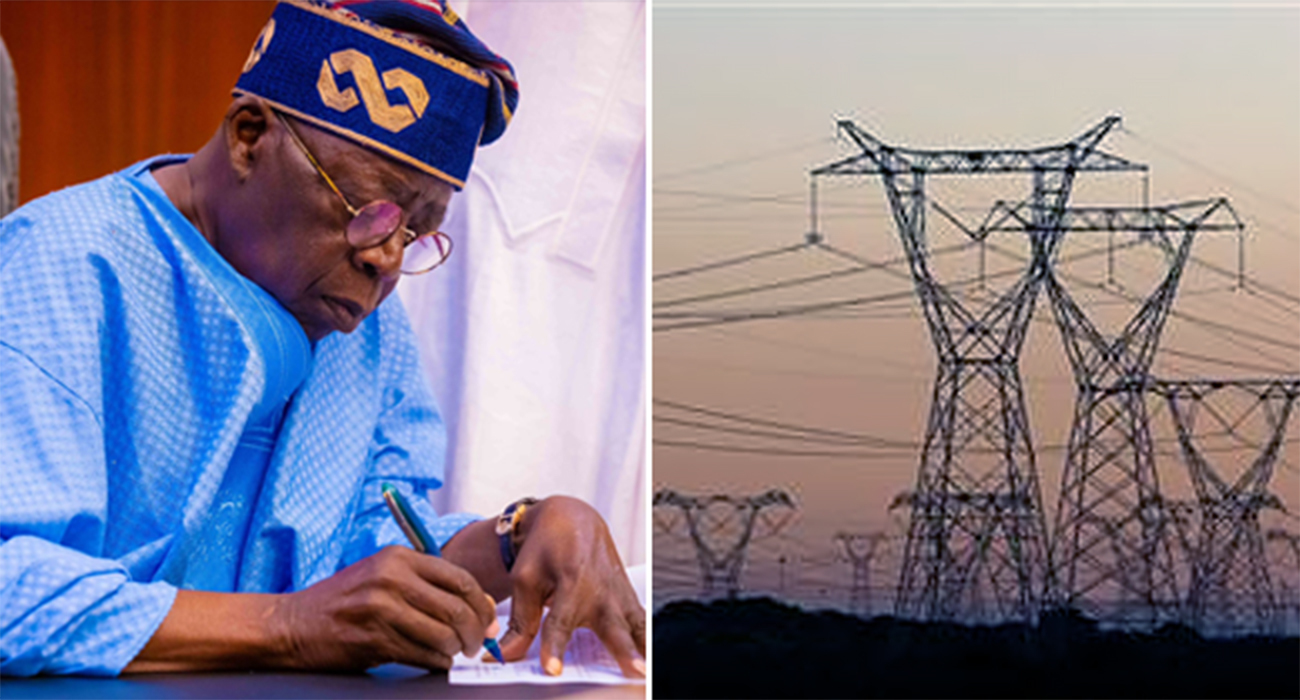
The power crisis has renewed attention to President Tinubu’s campaign promise to address Nigeria’s electricity challenges.
During his 2023 presidential campaign, Tinubu pledged to improve electricity supply and end estimated billing, telling members of the Organised Private Sector in Lagos that Nigerians should hold him accountable if he failed to deliver.
“Whichever way, by all means necessary, you will have electricity, and you will not pay for estimated bills anymore. A promise made will be a promise kept. If I don’t keep the promise and I come for a second term, don’t vote for me, unless I give you adequate reasons why I couldn’t deliver,” he said
