



Nigeria is seeking to transform its agricultural sector by adopting lessons from Ethiopia’s agribusiness model, with a focus on mechanization, improved seeds, climate-smart farming and large-scale food production to achieve food sovereignty and strengthen economic resilience.
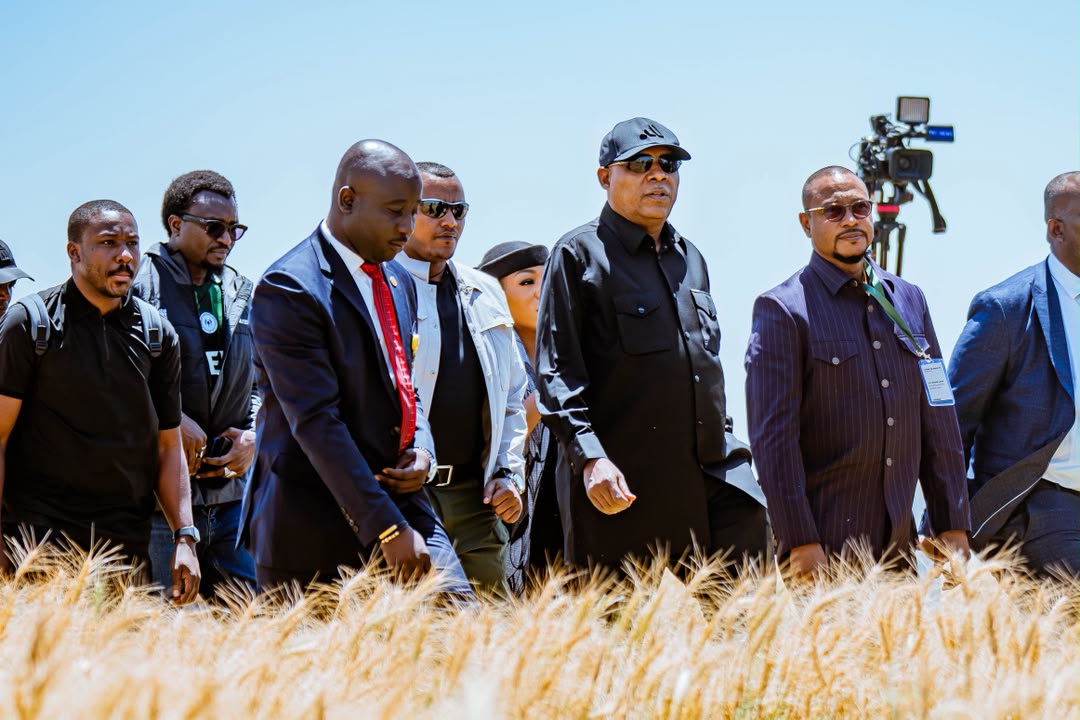
The initiative was highlighted by Nigerian Vice President Kashim Shettima during the Ethiopia–Nigeria Leadership Exchange, which included visits to farms and agricultural facilities in the Oromia region of Ethiopia. The engagement aims to strengthen cooperation between the two countries and identify practical approaches to improving agricultural productivity across Africa.
Shettima pointed to Ethiopia’s progress in wheat production, noting its transition from spending approximately $1 billion annually on wheat imports to achieving self-sufficiency and generating surpluses for export to neighboring countries, including Djibouti and Kenya. Ethiopia has also made significant progress in rice production, reducing its dependence on imports.
Nigeria plans to draw on these experiences to modernize its agricultural sector through improved seed varieties, mechanized farming, climate-smart practices and more efficient production systems. Shettima emphasized that strengthening domestic food production is essential to national sovereignty, as heavy dependence on imported food can expose countries to external supply disruptions and price volatility.
The Nigerian vice president also highlighted the potential for closer agricultural cooperation between Nigeria and Ethiopia, arguing that their combined population and economic strength could help drive food security across the continent. He encouraged other African countries to study Ethiopia’s agricultural transformation and adapt successful practices to their own conditions.
Environmental sustainability is another component of Nigeria’s plans. Shettima announced a proposed nationwide tree-planting campaign targeting 20 billion trees from the next rainy season, drawing inspiration from Ethiopia’s Green Legacy Initiative, which combines environmental restoration with economic and livelihood benefits.
During the visit, Oromia Regional State President Shimelis Abdisa outlined Ethiopia’s agricultural achievements, including the cultivation of more than 200 crop varieties and growing exports of bananas, avocados and coffee. He also highlighted the economic contribution of wheat production, which generates more than $3.1 billion annually, according to figures presented during the engagement.
The region is also collaborating with the Dangote conglomerate on fertilizer production to support farmers, while expanding its poultry industry beyond its initial capacity of two million birds. Shettima’s tour included visits to wheat, banana and papaya farms to observe agricultural production systems and efforts to increase output.
The exchange reflects growing interest in African-led solutions to food insecurity, with Nigeria seeking to translate Ethiopia’s experience into practical reforms that improve productivity, strengthen agricultural value chains, create jobs and reduce reliance on imported food.
