



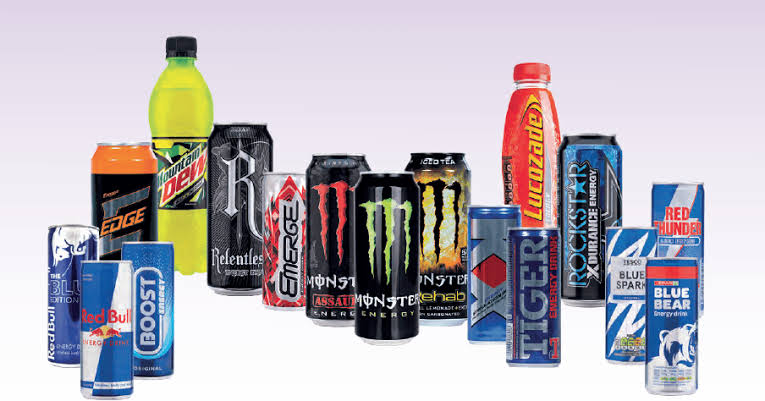
The UK government is planning a new law in England to stop anyone under the age of 16 buying energy drinks such as Red Bull, Monster, and Prime Energy from shops, restaurants, cafes, vending machines and online in a bid to prevent childhood obesity, anxiety and disrupted sleep.
“High-caffeine energy drinks have no place in children’s hands,” said Katharine Jenner, director of the Obesity Health Alliance, who is in support of the ban.
“This is a common-sense, evidence-based step to protect children’s physical, mental, and dental health,” she added.
According to ministers, a ban could prevent obesity in up to 40,000 children and help prevent issues such as disrupted sleep, increased anxiety , and lack of concentration, and tackle poor school results.
Lower-caffeine soft drinks – such as Coca‑Cola, Coca‑Cola Zero, Diet Coke and Pepsi – are not affected, and neither are tea and coffee.
However, high-caffeine energy drinks such as Red Bull, Monster, Relentless and Prime would all breach the limit.
For context, a cup of coffee contains about 80 to 100mg of caffeine, tea approximately 40mg and 33mg is in a 330 ml can of Coca‑Cola. However, a can of Red Bull contains 80 mg per 250ml and Monster contains 160mg of caffeine per 500ml can.
Prof Amelia Lake from Teesside University, who has studied the drinks’ impact on young people’s lives, said they had “no place” in the diets of children.
“We know these drinks are part of youth culture and associated with sports, gaming, music, and more, but there is a lack of clear signalling about their health consequences.”
The major supermarkets have imposed their own voluntary ban on selling high caffeine drinks to the under-16s, but this isn’t the case in many smaller stores.
Gavin Partington from the British Soft Drinks Association said his members already have a voluntary code for their members not to “promote the sale of energy drinks to under 16s and label all high-caffeine beverages as ‘not recommended for children’.”
For the next 12 weeks evidence will be gathered from health and education experts as well as the public, shops, and drink makers
