



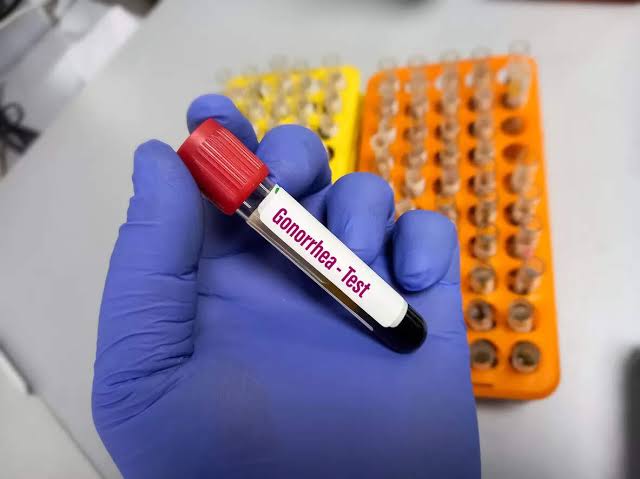
In a landmark move for public health, the UK’s National Health Service (NHS) is set to launch the world’s first vaccination programme against gonorrhoea, using the existing meningococcal B (MenB) vaccine to target those most at risk.
The roll-out, starting in early August, will focus on gay and bisexual men with a recent history of multiple sexual partners or a previous sexually transmitted infection (STI), as recommended by the Joint Committee on Vaccination and Immunisation (JCVI) at the end of 2023.
This recommendation came in response to a record surge in gonorrhoea diagnoses – 85,000 cases in 2023, triple the number recorded in 2012 and the most since UK officials began tracking gonorrhoea cases in 1918. Imperial College researchers predict that the vaccine could prevent 100,000 cases over a decade.
Close relation
The MenB vaccine, originally developed to protect against meningococcal disease, has shown a remarkable side benefit: it offers moderate but significant cross-protection against gonorrhoea. Studies suggest that two doses of the vaccine can reduce the risk of gonorrhoea by up to 40%.
The evidence that the Men B vaccine can prevent gonorrhoea has been growing over the past few years. A study published in July 2024 in The Journal of Infectious Diseases showed that two doses of the MenB-4C vaccine was 33–40% effective against gonorrhoea and even a single dose was 26% effective.
Gonorrhoea is caused by the bacteria, Neisseria gonorrhoea, which is part of the Neisseria family – the same family as MenB. Neisseria meningitides, which causes MenB, and Neisseria gonorrhoea share up to 80–90% of their genetic material.
Growing global burden
While the UK’s new programme is a breakthrough, the global burden of gonorrhoea remains concentrated in Africa and other developing regions.
The World Health Organization (WHO) estimates that in 2022 there were over 80 million new cases of gonorrhoea each year worldwide, with Africa alone accounting for around 16 million annual cases. This made it the region with the highest prevalence worldwide.
The MenB vaccine, originally developed to protect against meningococcal disease, has shown a remarkable side benefit: it offers moderate but significant cross-protection against gonorrhoea.
Sub-Saharan Africa, in particular, faces unique challenges: limited healthcare access, social stigma and resource constraints contribute to high rates of infection and complications, including infertility.
Currently, the MenB vaccine is not widely used for gonorrhoea prevention in Africa or other low-income regions, nor is it used routinely again meningitis, as most cases of meningitis in these regions are from other meningococcal serogroups (A, C, W, X and Y).
