



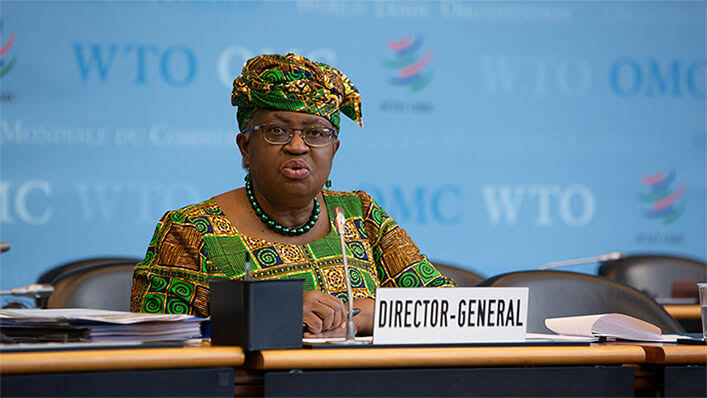
Director-General of the World Trade Organization, Dr. Ngozi Okonjo-Iweala, has called on West African countries to shift from working in silos to building stronger regional value chains that can attract investors, boost local production, and support job creation.
Speaking at the West Africa Economic Summit in Abuja, she said small and medium enterprises (SMEs), manufacturers, and youth-led businesses would benefit from a more united ECOWAS approach to economic development.
“Working individually won’t get us far,” she said. “But if we build cross-border value chains in key sectors like pharmaceuticals, renewable energy, and digital services, we’ll unlock scale, investment, and more opportunities for our people.”
Okonjo-Iweala cited examples like Senegal’s vaccine hub and Nigeria’s fast-growing tech startups as signs that the region has the raw potential. But she warned that infrastructure gaps, high trade costs, and weak cross-border systems continue to hold businesses back.
She also urged West Africa to start producing more components for global industries, such as batteries for electric vehicles, and to support service platforms like Nigeria’s Jumia to expand across borders.
“If we build the right infrastructure—digital, physical, and regulatory—we can cut trade costs and make it easier for SMEs to grow,” she added.
Also speaking, UN Deputy Secretary-General Amina Mohammed said ECOWAS has the potential to lift millions out of poverty if countries commit to deeper trade integration under the African Continental Free Trade Agreement (AfCFTA).
She said infrastructure projects like the Lagos-Dakar corridor are already improving movement of goods, but intra-regional trade remains low—just 11% of total ECOWAS trade.
Both leaders emphasized that building strong institutions, removing trade barriers, and supporting local producers with the right policies are critical steps to a more competitive and inclusive economy for West Africa.
