



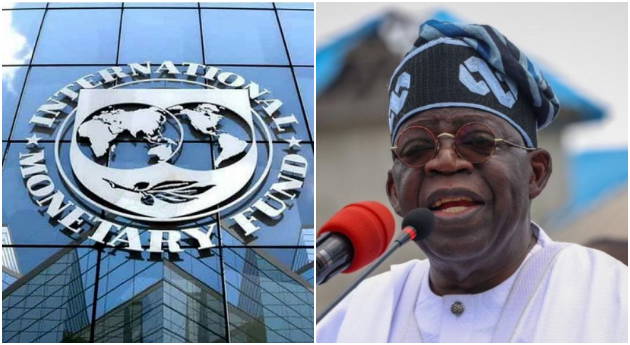
The International Monetary Fund (IMF) has advised the Nigerian government to consider introducing excise duties on telecommunications services and extending Value Added Tax (VAT) to fuel products as part of broader efforts to strengthen government revenue and create fiscal space for development spending.
The recommendation was contained in the IMF’s latest Article IV Consultation Report on Nigeria, which highlighted the need for additional tax reforms to support the country’s long-term fiscal sustainability.
According to the Fund, while the implementation of Nigeria’s recently signed tax laws is expected to improve revenue generation over time, further policy measures may be required to meet the country’s growing expenditure needs and development priorities.
The IMF suggested that potential reforms could include increasing the VAT rate, extending VAT coverage to fuel products, reviewing selected tax exemptions, particularly within the extractive sector, adjusting some customs duty waivers, and reintroducing excise duties on telecommunications services.
The Fund noted that these measures could complement ongoing efforts to improve tax administration and revenue collection efficiency.
However, the IMF cautioned that any additional tax reforms should be implemented carefully, considering rising poverty levels, food insecurity and the increasing cost of living faced by many Nigerians.
It stressed the importance of establishing a well-funded and effective social protection system, particularly cash transfer programmes, before introducing new taxes that could further increase financial pressure on households.
The recommendation comes at a time when consumers are already facing higher fuel prices and increased telecommunications costs following recent tariff adjustments within the sector.
The IMF also encouraged Nigeria to accelerate the digitalisation of its revenue administration systems. According to the report, the use of technology to track, verify and collect taxes can reduce leakages, improve compliance and minimise corruption risks within the tax collection process.
The Fund disclosed that it continues to provide technical support to Nigerian authorities through tax administration reforms, including the deployment of resident tax advisors and customs support programmes.
The recommendation has reignited discussions around the telecommunications sector, particularly because the Federal Government only recently discontinued a similar levy.
