



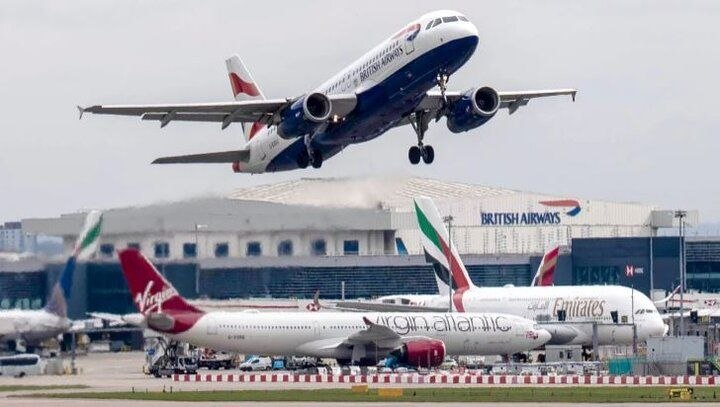
Airlines around the world have cut or adjusted scheduled flights, removing millions of seats from timetables, as fears of a jet fuel shortage grow amid the ongoing war in Iran.
Around two million passenger seats have been removed from flights scheduled during May through cancellations and switches to smaller aircraft, according to the Financial Times.
The outlet, citing data from aviation analytics firm Cirium, reported on Monday that the number of seats available to passengers on flights from all airlines during May has fallen from 132 million to 130 million in recent weeks, with about 12,000 flights canceled.
The drop in services comes as jet fuel prices have doubled during the conflict in the Middle East, which escalated after joint US-Israeli strikes on Iran in late February.
The surge in fuel prices has been driven largely by Iran’s retaliatory decision to block the strategic Strait of Hormuz, through which around 20% of the world’s oil supplies transited before the war.

The crisis has exacerbated strains on global energy markets that already existed as a result of Russia’s ongoing war in Ukraine.
Flight schedules have also been affected by disruptions and temporary closures at airports in the Gulf region linked to the war, with many airlines previously relying on the region as a stopover hub for connecting flights to Asia.
Aviation analyst John Strickland told the Financial Times: “No European airline is going to send a plane off to Asia to mop up demand from the Gulf and find it’s stuck there without fuel to go back.
“Jet fuel pricing has always been intermittent, but I don’t think in my time there has ever been the question of shortages,” he added
